
Separate equipment that runs continuously, short peak loads and work that can be scheduled in phases.
FREE PRACTICAL GUIDE · CONSTRUCTION POWER
Temporary construction power checklist: understand the job before choosing output.
Map your job site before choosing a mobile energy solution. This PDF checklist helps prepare output, simultaneous use, runtime and safe deployment with purpose.
- Which machines, tools and site facilities must run at the same time
- Which connections and possible start-up peaks matter on site
- How long temporary power must remain available and how it will be charged
- Which details make technical advice or a quote more precise
01 · PREPARE THE JOB SITE
Temporary power starts with the work plan.
Selecting a suitable system is not only about total wattage. These four points make a site intake safer and far more specific.
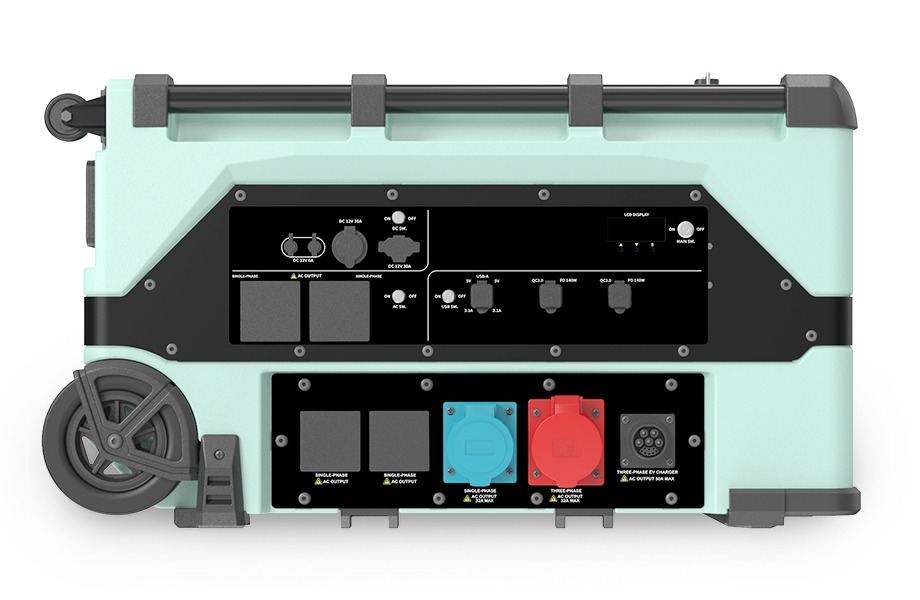
Check whether 230 V, three-phase 400 V or another specific connection is required, and have the final connection technically assessed.
Allow for start-up peaks from motors, pumps, compressors and welding equipment; do not judge these only by rated output.
Assign responsibility for start-up, cable checks, safe placement, shutdown and planning charging moments.
02 · FROM LOAD TO CONFIGURATION
Choose output and capacity from your actual load.
Use the runtime calculator for an initial indication based on your equipment list. Three-phase loads, peaks and critical applications still require technical assessment.
03 · FAQ