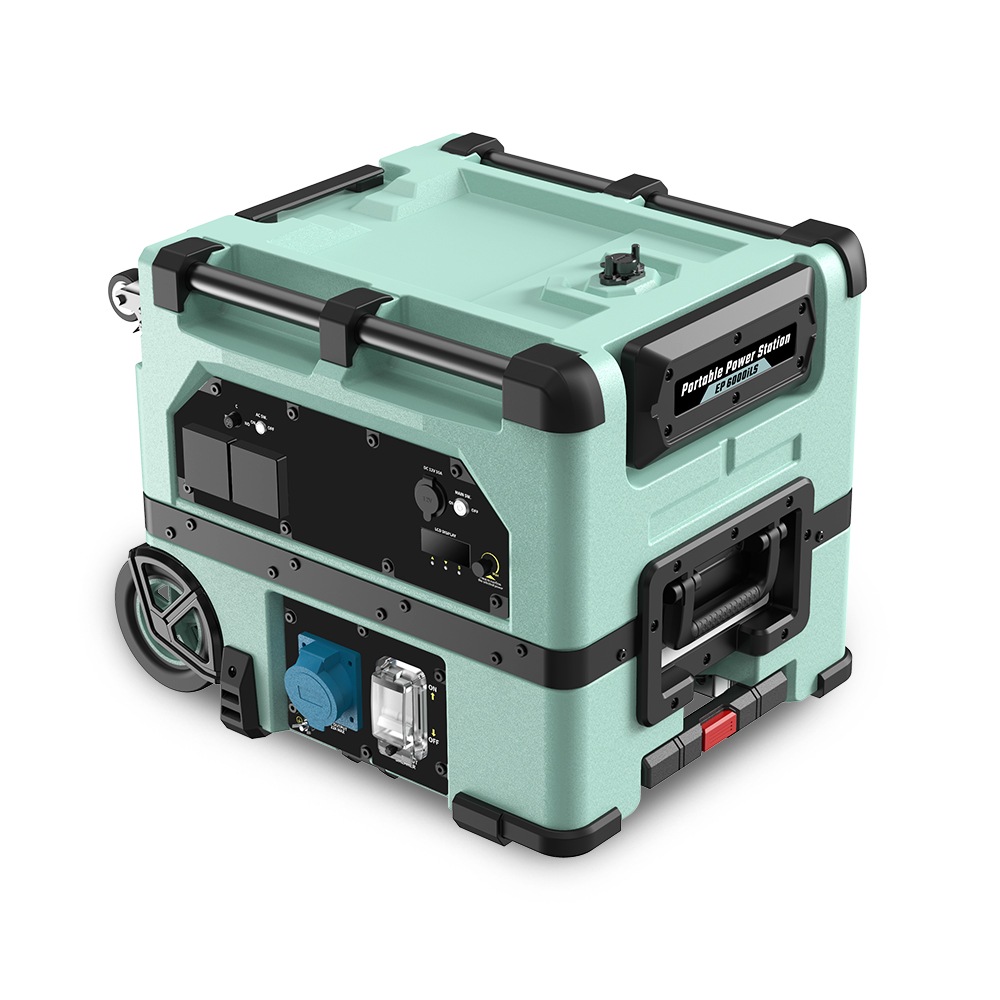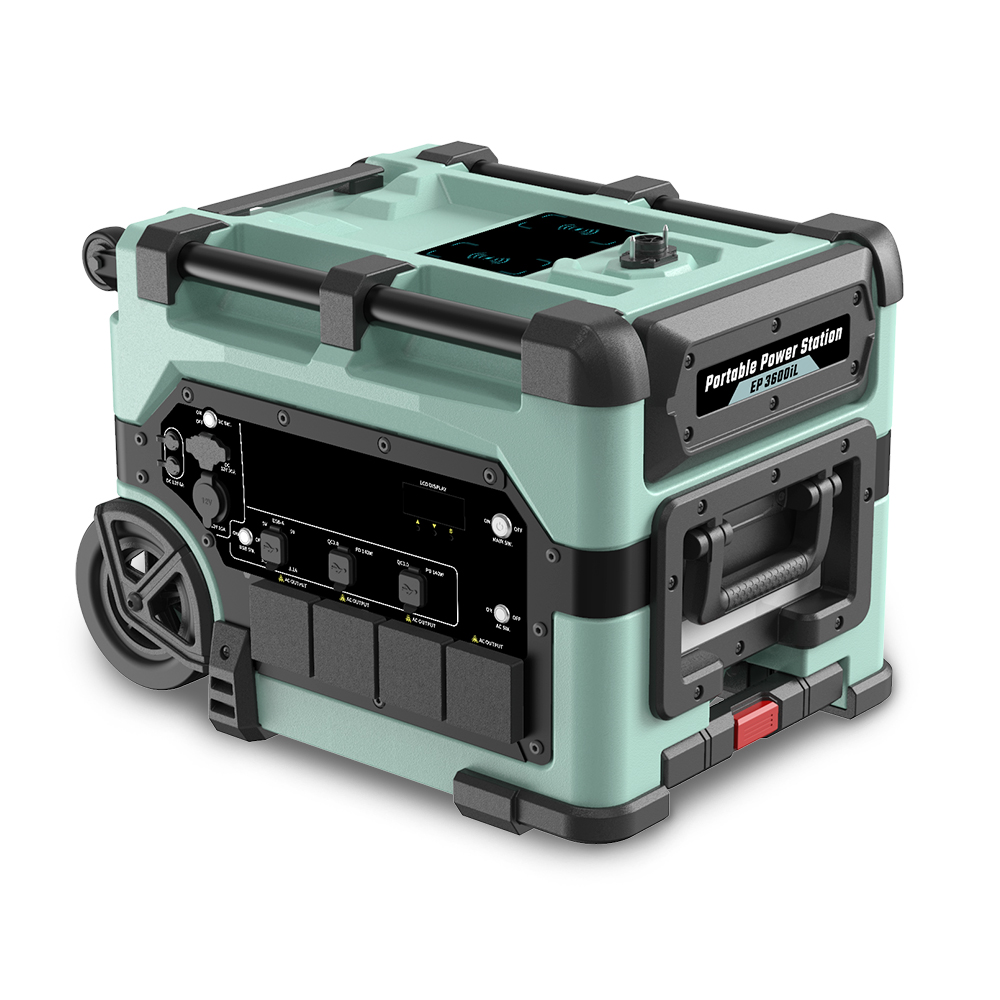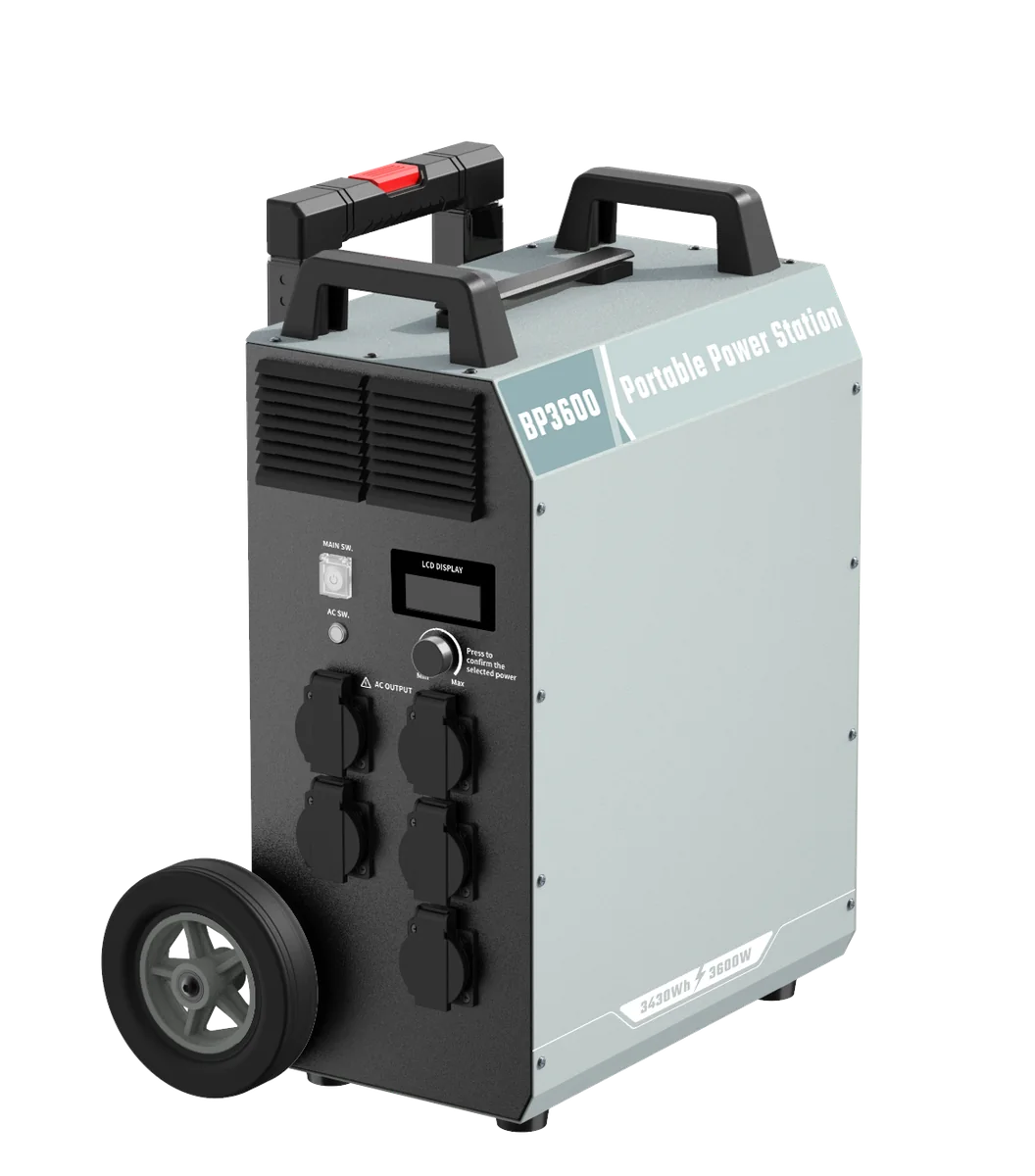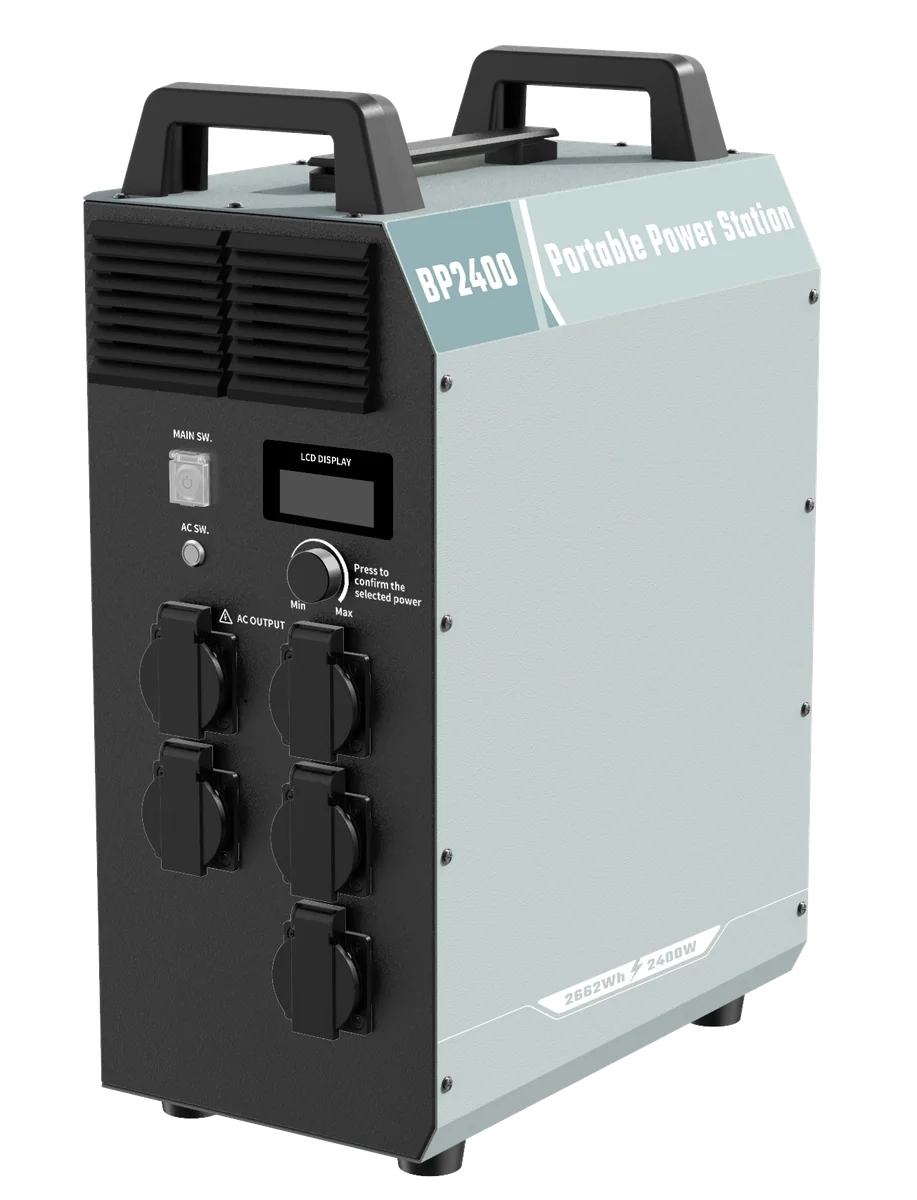
Start with your working day, not the biggest battery
List what needs to run on site: lighting, power tools, a laptop, a pump or a charger. Note what is used at the same time and for how many hours. This creates a practical energy profile instead of a guess based on a high wattage alone.
Choose a clear charging route
Off-grid means deciding in advance how the system will be recharged. That might be later from the grid, with solar panels or another available source. Consider a busy day, changing weather and a location where recharging is not immediately possible — not just ideal conditions.
Keep autonomy scalable
A compact set-up can suit a short task. For longer days, more users or a need for reserve, extra battery capacity can help. It increases available energy; also check that the output is suitable for the equipment that runs together.
Keep deployment simple and safe
Place the system on a stable, dry surface, use suitable undamaged cables and keep ventilation clear. Follow the product-specific instructions for load, charging and operating conditions. For three-phase power, earthing or temporary distribution, technical advice is sensible.
What do we need for off-grid advice?
Send us your equipment list, wattage or equipment type, required hours, location and available charging options. Mention whether you want to include solar input or extra battery capacity. We can then discuss a practical configuration for your application.